In late May, I was following a WhatsApp brainstorm in an education-innovation community we advise. The group had been testing an AI chat companion for its research labs when someone noticed the World Cup was only weeks away and asked a what-if: what if the lab’s friendly mascot became a real, physical AI toy — a pocket-sized collectible character, one for every country in the tournament?
Ideas like this usually die politely. Someone says “cool,” someone else says “we should look into it,” and the thread moves on. This one didn’t. Within hours the group had concept designs — a Tamagotchi-style pod with an animated face, motion-sensing play, and swappable country charms. Within a day, a functional specification: a color touchscreen running fluid character animation, motion sensors for gesture play, NFC so two pods could “high-five,” Bluetooth for tournaments, haptics, a rechargeable battery. Not a keychain with a sticker. A real consumer electronics product.
Then came the question that kills these threads everywhere else in the world: could this actually be prototyped and manufactured in time for the World Cup?
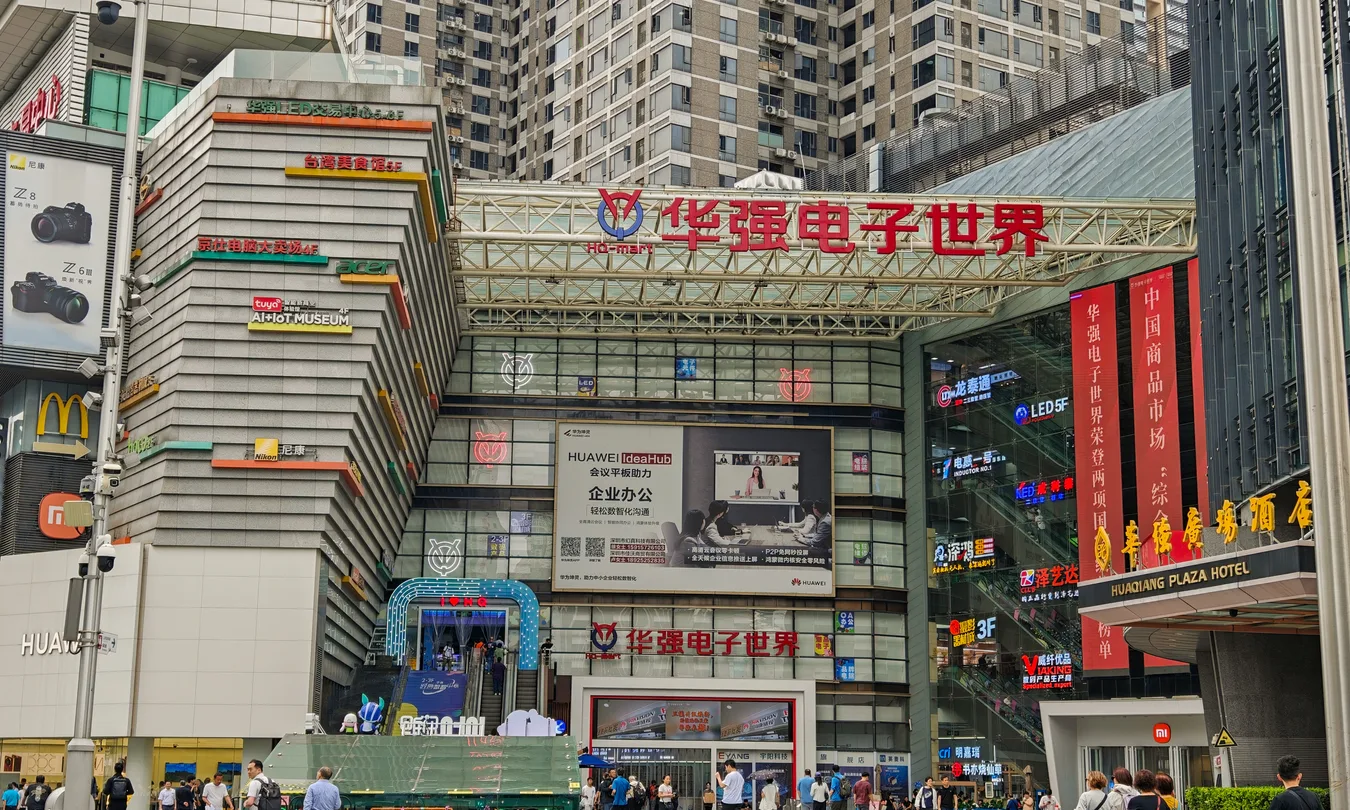
Anywhere else, answering that question honestly takes weeks — emails to contract manufacturers, NDAs, discovery calls, a feasibility quote in a month if you’re lucky. I happened to be positioned to do something different. I took the spec to Huaqiangbei, Shenzhen’s electronics district, and came back the next day with specific tooling timelines and unit costs. Not “it seems possible.” Numbers a group could make a decision with.
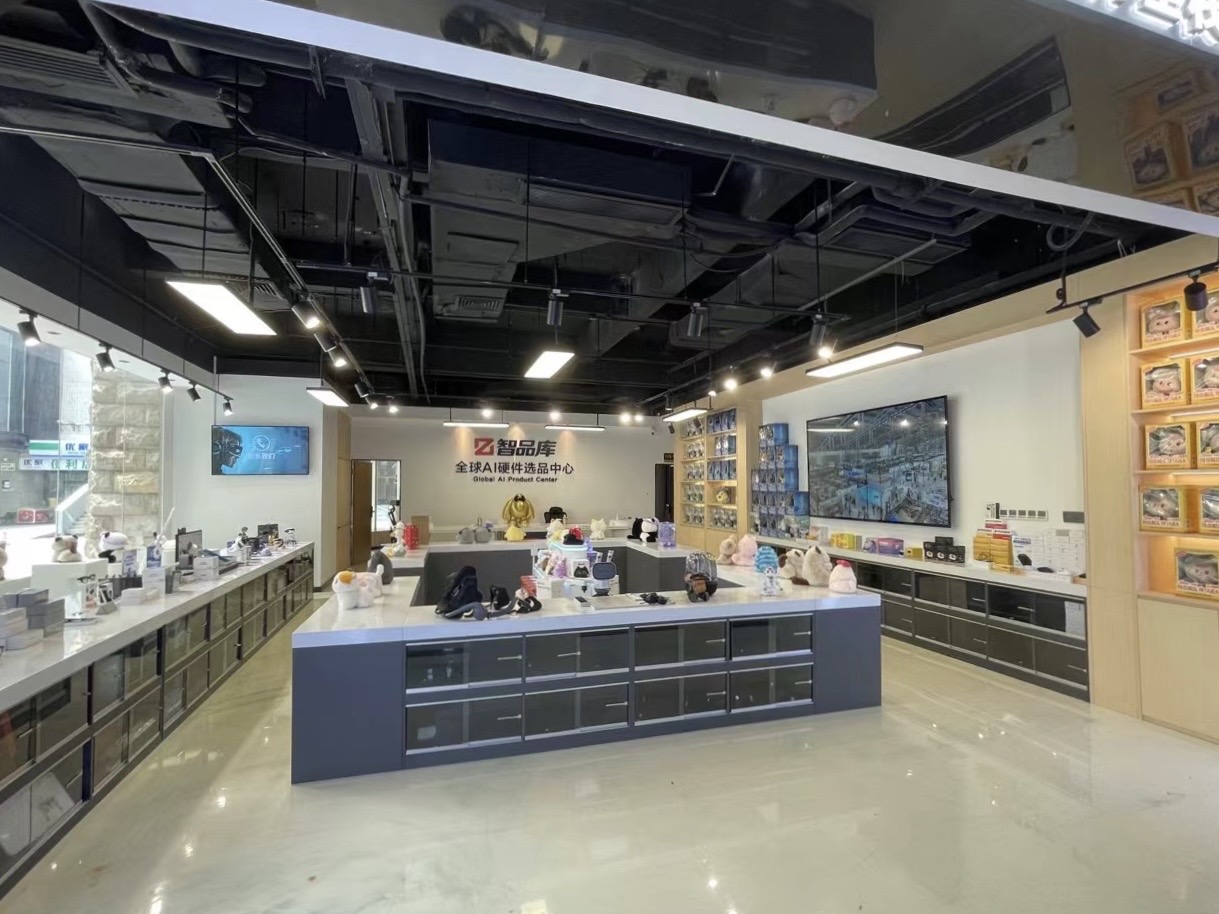
That 24-hour turnaround — from group-chat idea to factory-grade answer — is the thing no article, documentary, or keynote about Shenzhen can transfer to you. You’ve read the headlines about “Shenzhen speed.” So had I. But there’s a difference between knowing the statistic and watching a question that would take a quarter elsewhere get answered before your next coffee. A week in Shenzhen doesn’t teach you about China. It recalibrates your sense of what “fast” and “possible” mean — and that recalibration only happens in person.
Speed is a culture, not a logistics feature
The numbers behind Shenzhen’s speed are well documented. Hardware iteration cycles that take three weeks and serious money in Europe or the US compress to days here. Products that need twelve to eighteen months to reach market through a Western development pipeline can move in a fraction of that time inside Shenzhen’s ecosystem.
But the statistic isn’t the lesson. The lesson is what cheap, fast iteration does to how people make decisions. Outside China, every prototype run is expensive enough that teams triple-check everything before committing — each iteration is a bet against your remaining runway. In Shenzhen, the cost of trying is so low that “build it and see” becomes the default answer to most questions. You stop debating what might work and start finding out what does.
Consider what our toy spec actually asked for: a bright AMOLED screen driving 30-to-60-frames-per-second character animation, a six-axis motion sensor, NFC charm recognition, Bluetooth pod-to-pod play, haptic feedback, splash resistance. In most ecosystems, that’s a six-month feasibility study. In Huaqiangbei it’s a day of conversations — because every one of those subsystems already exists as a mature, sourceable module, often a few stalls apart from each other.
Spend a week watching people operate this way and something shifts in you. Speed stops looking like a supply-chain feature and starts looking like what it really is: a decision-making culture.
Huaqiangbei isn’t a market. It’s an API.
Huaqiangbei gets described as the world’s largest electronics market — roughly twenty malls and over seventy million square feet of components, modules, and finished goods. That description undersells it. A market is where you buy things. Huaqiangbei is where you query the entire state of the art in consumer electronics and get an answer in hours.
Walking our spec through the district worked like calling functions. Screen vendors answered the display question. Sensor vendors answered the motion question. Battery and enclosure people answered the power and durability questions. By the end of the day the spec had become a costed bill of materials and a realistic tooling timeline. The market had answered a product-strategy question, not a shopping list.
What makes this possible isn’t the square footage — it’s how the ecosystem is wired. Researchers who compare innovation hubs describe Shenzhen as a “farmer’s market of entrepreneurs”: thousands of small specialists who collaborate fluidly, share information openly, and assemble into temporary supply chains around whatever product idea walks in the door. Personal relationships and open information flow do the work that contracts and procurement departments do elsewhere. You cannot understand this by reading about it, because the thing being described is a texture — the pace of the conversations, the shrug with which someone quotes you a tooling date that would be a moonshot back home.
It’s not (just) hardware anymore
The mental model many visitors arrive with — Shenzhen as the place cheap electronics come from — is about a decade out of date. What a week here shows you in 2026 is a city where AI has been woven through the entire hardware stack, and where the street itself is the demo.
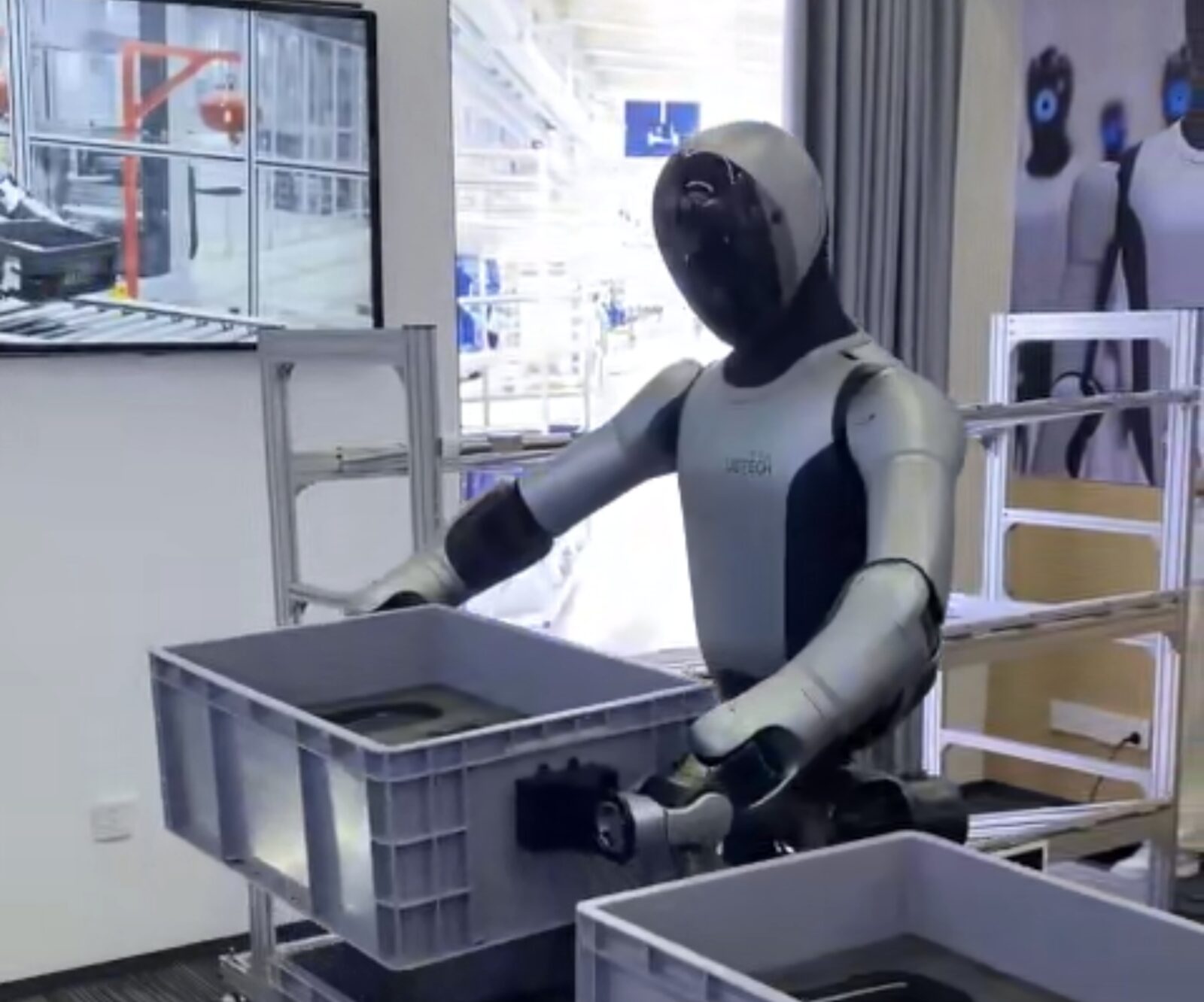
Take the low-altitude economy, the showpiece of the moment. Shenzhen produces about seventy percent of the world’s consumer drones, and it hasn’t stopped at manufacturing them: the city now runs hundreds of approved drone-delivery routes handling tens of thousands of deliveries a day, with more than a thousand takeoff and landing facilities built into the urban fabric and new routes being added through 2026. Order lunch in a park and it may arrive by air. Meanwhile robotaxis navigate the same streets and humanoid robots demo in showrooms that were assembly floors a few years ago.
The lesson isn’t any single technology. It’s the pattern: regulation, infrastructure, and industry moving together, at industrial speed, so that new categories go from pilot to citywide deployment while other regions are still drafting the consultation paper. You’re not visiting a manufacturing hub. You’re watching deployment at city scale.
What a week does not teach you
Honesty matters here, because the week is powerful enough that people over-extrapolate from it.
One week does not teach you China. It teaches you better questions. The ecosystem you can see — the showrooms, the flagship headquarters, the market stalls — sits on top of an operational reality you cannot see on a tour: how joint ventures are actually structured, how IP strategy really works, what localization demands of a foreign product, where the regulatory lines genuinely sit. Those answers take partners on the ground and repeat engagement, not a single visit.
Our toy story illustrates both halves. Getting from idea to costed feasibility in a day: that’s what the visible ecosystem gives you, and it’s astonishing. Everything after that — the decisions about manufacturing partners, quality control, certification, distribution — is precisely the part a week can’t cover. Knowing where the week’s power ends is part of what the week teaches.
Who gets the most out of it
Executives tend to come home with an uncomfortable benchmark: they’ve now watched a product question get answered in a day, and their own organization’s cycle time no longer feels like a law of nature. Founders leave with something more concrete — sourcing relationships and a visceral reset on what an iteration should cost, in money and in weeks. And policymakers see a version of government they rarely encounter: one that ships regulation the way companies ship product, with the low-altitude economy as the live case study.
Different visitors, same underlying effect. You don’t come back with answers. You come back unable to accept your old defaults.
That group chat, by the way, changed overnight. The morning after the Huaqiangbei answer came back, nobody was debating whether a physical AI toy was realistic. They were debating which countries to launch first. That’s the recalibration, in miniature — and it’s what a week here is actually for.
Novula runs immersive innovation weeks in Shenzhen and the Greater Bay Area for executives, founders, and government delegations. Explore the Tech & AI Innovation Tour or get in touch to see the full itinerary.